
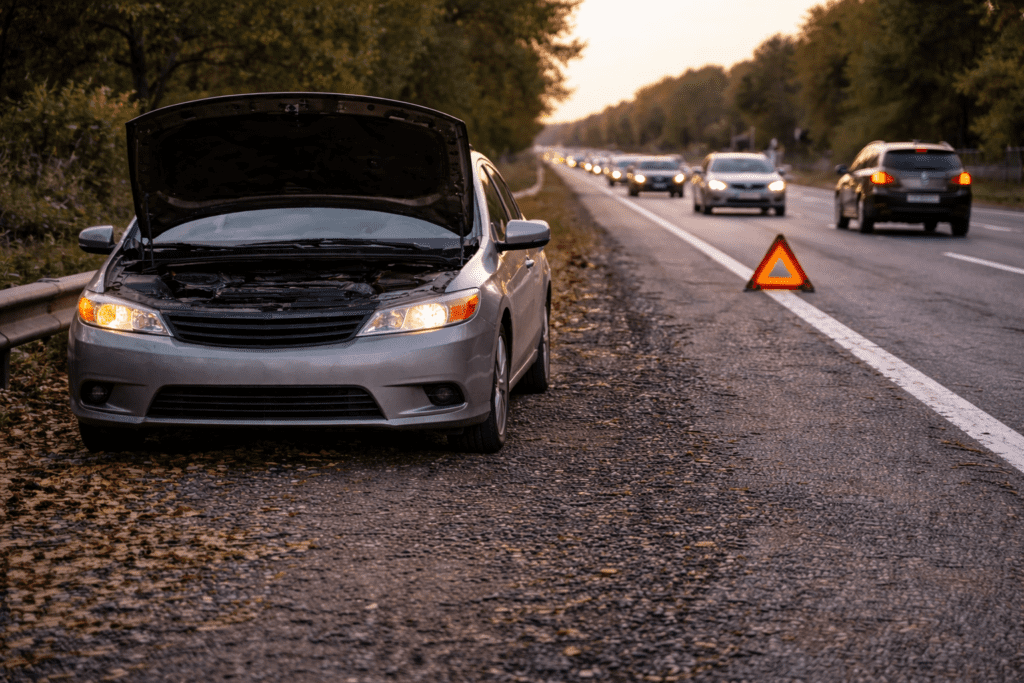
Emergency Car Kit Guide: Pack for Any Road Situation
Last winter, coming home from a long working day, my car stalled and wouldn’t re-start on a dark stretch of highway about 20 minutes from home. The battery had just given up – it didn’t even have the energy to turn the motor. It was cold, traffic was moving fast, and my phone was at 12%. Luckily, I had a hi-vis vest in the door pocket and a charged power bank in the glove box. Those two things turned a potentially bad situation into just… an inconvenience. Thats the simple value of always carrying an emergency car kit.
That’s what a good emergency kit does. It doesn’t prevent problems, but it takes the panic out of them. You’re not scrambling or second-guessing yourself – you’re just handling it.
This guide covers everything you might need — from the absolute essentials that handle most situations you’ll actually face, to the extras that make sense when you’re driving long distances or dealing with rough weather.
We’ll start with the core 10 items that give you the biggest bang for your buck, then show you how to build out from there based on how and where you actually drive.
Heads up: Some links on DrivingGadgets may be affiliate links. If you click through and buy, we may earn a small commission.
Quick-Start: The 10 Safety Essentials (Your Foundation)
If you do nothing else, get these 10 items sorted. They cover the things that matter most when you’re stuck on the side of the road: being seen by other drivers, staying connected, handling basic medical needs, and not freezing while you wait for help. Why not also check out our post on the 10 Safety Essentials Worth Keeping in Your Trunk
The quick list
- ANSI/ISEA high-visibility vest (get a 2-pack)
- LED road flares and/or reflective warning triangles
- Headlamp or bright flashlight (plus spare batteries)
- Compact first aid kit
- Seatbelt cutter + window breaker tool
- Emergency thermal blankets (Mylar/space blankets)
- Vehicle-rated fire extinguisher (ABC type)
- Nitrile gloves + heavy-duty work gloves
- Phone power: power bank + 12V car charger + cables
- Reflective tape / reflective markers
1) ANSI/ISEA high-visibility vest (get a 2-pack)
If you need to step out near traffic — whether it’s broad daylight or the middle of the night — you need to be seen. It sounds obvious, but you’d be surprised how hard it is for drivers to spot someone on the shoulder, especially when they’re focused on the road ahead. A hi-vis vest makes you instantly recognizable and gives everyone more time to react.
Why it matters
- Makes you visible in rain, fog, low light, and glare
- Reflective striping shows up fast in headlights
- If a passenger needs to get out too, you’ve got them covered
What to look for
- ANSI/ISEA 107 compliant (it’ll say so on the label)
- Fluorescent orange or lime yellow
- Reflective striping around the torso
Where to keep it
- One in the driver’s door pocket or console (not buried in the trunk)
- Second one with your main kit
2) LED road flares and/or reflective warning triangles
Here’s the thing about stopped cars on the shoulder: they can be surprisingly hard to see, especially around curves, over hills, or when the weather’s bad. You might think your hazard lights are enough, but they’re often not — especially if you’re on a busy highway or it’s raining hard. Warning devices give other drivers a heads-up well before they’re right on top of you, which can make all the difference.
Why it matters
- Helps prevent someone running into your stopped car
- Adds visibility when your hazard lights aren’t cutting it
- Buys you a few extra seconds for traffic to slow down and move over
What to choose
- LED flares: Bright, reusable, no open flame, quick to set up
- Triangles: Simple, no batteries needed, solid backup option
- A lot of people keep both
3) Headlamp or bright flashlight (plus spare batteries)
Being able to see what you’re doing changes everything. Suddenly you can actually check what’s wrong, find things in your trunk without dumping everything out, and keep an eye on traffic around you. It’s the difference between feeling helpless and feeling like you’ve got some control over the situation.
Why it matters
- Helps you stay aware of what’s happening around you when it’s dark
- Makes it way easier to find what you need without fumbling around blind
- A headlamp is honestly a game-changer because it keeps both hands free
What to look for
- Headlamp if possible
- Weather resistant
- At least 200 lumens
- Spare batteries in a sealed bag, or a rechargeable you check regularly
- Red light mode is nice for not killing your night vision
Where to keep it
- Glove box or center console
- Check it every couple months to make sure it still works
4) Compact first aid kit
This isn’t about playing doctor. It is just being able to deal with the basics: cleaning up small cuts, treating minor burns or scrapes, keeping things from getting infected while you make your way home or wait for help to arrive.
Why it matters
- Let’s you deal with minor injuries right away
- Keeps things from getting worse while you wait
- Extra helpful if you’ve got kids or older folks with you
What to look for
- Bandages in different sizes
- Gauze, medical tape, antiseptic wipes
- Antibiotic ointment
- Small scissors and tweezers
- Basic pain reliever
- A case that won’t fall apart when you need it
Where to keep it
- Trunk is fine
- Check expiration dates once or twice a year
5) Seatbelt cutter + window breaker tool
This is the one item you really, truly hope you never need to use. But if you’re ever in a situation where a seatbelt jams after a crash, or you need to break a window to get out because a door won’t open, you’ll be really glad it’s there within reach.
Why it matters
- Gets you out fast if the seatbelt won’t release
- Breaks a window efficiently if a door won’t open
What to look for
- Spring-loaded window breaker tip
- Protected blade for seatbelts
- Bright color so you can find it fast
Where to keep it
- Within arm’s reach of the driver — not in the trunk
- Door pocket, console, visor clip, wherever your hand goes naturally
6) Emergency thermal blankets (Mylar/space blankets)
Here’s something people don’t always realize: waiting for help can take a lot longer than you expect, and cold has a way of creeping up on you — especially if it’s windy, your clothes are wet, or it’s winter. Even in relatively mild weather, stress and shock can make people feel suddenly freezing. They’re compact and cheap, so there’s really no reason not to have a few on hand.
Why it matters
- Helps you hold onto body heat when you’re sitting still and not generating warmth
- They’re tiny and inexpensive — honestly no reason not to have several
What to look for
- Pack of 2–4, individually wrapped
- Keep them in a dry pouch or bag
Where to keep it
- Trunk works — just keep them dry
7) Vehicle-rated fire extinguisher (ABC type)
Let’s be clear: this isn’t about you becoming some kind of firefighter. It’s about maybe — just maybe — catching something really small at the very beginning before it gets out of hand. Or having some options while you get everyone away from the vehicle and call 911. That’s it.
Why it matters
- Might help with a tiny flare-up before it gets worse
- Peace of mind on longer trips
What to look for
- ABC-rated (handles most types of fires)
- 2.5 lb or 5 lb size is practical
- Needs to be strapped down (can’t have it flying around in a crash)
Important: If you have even the slightest doubt about what you’re dealing with, get everyone away from the car and call 911. Always. Your safety isn’t negotiable.
Where to keep it
- Secured in the trunk or properly mounted
- Check the expiration date once a year
8) Nitrile gloves + heavy-duty work gloves
Different jobs need different gloves.
Why it matters
- Nitrile: First aid, cleanup, keeping your hands clean
- Work gloves: Handling sharp stuff, hot or cold metal, roadside debris, tools
What to look for
- A few pairs of disposable nitrile gloves
- One good pair of work gloves with grip
Where to keep it
- Both in a small zip pouch so you can grab what you need
9) Phone power: power bank + 12V charger + cables
In a roadside breakdown, your phone becomes absolutely critical. It’s how you call for help, share your exact location, check the weather, figure out where you are, and let people know you’re okay and when to expect you.
Why it matters
- Keeps you connected and honestly just less stressed about the whole situation
- Absolutely critical if your car battery dies and you suddenly have no power at all
What to look for
- 12V car charger (cigarette lighter adapter)
- Power bank with at least one full charge for your phone (10,000+ mAh)
- Right cables for your devices (USB-C, Lightning, etc.) plus a spare
Where to keep it
- 12V charger in the console
- Power bank within reach (glove box or console)
- Recharge the power bank regularly — they drain even sitting there
10) Reflective tape / reflective markers
This is one of those cheap, simple things that makes a bigger difference than you’d expect.
Why it matters
- Makes your kit bag or gear easier to spot at night
- Helps you find things fast instead of fumbling around
What to look for
- Weather-resistant reflective tape or pre-cut strips
How to use it
- Stick some on your emergency kit container
- Mark flashlight handles or key tools
- Keep a roll handy for whatever you need
Where to Keep the Key Items (Because Location Actually Matters)
Here’s the thing: your kit only helps if you can actually get to the important stuff without putting yourself in danger. Storage location matters way more than most people realize.
Keep within reach of the driver
You should be able to grab these without leaving your seat:
- Hi-vis vest (at least one)
- Seatbelt cutter/window breaker
- Headlamp/flashlight
- Phone charger + power bank
Why: Sometimes — more often than you’d think — the safest move is staying put in the car with your doors locked and calling for help. Maybe traffic is too heavy. Maybe the shoulder is too narrow. Maybe visibility is terrible. Whatever the reason, you need your visibility gear, light, and communication tools right there with you, not buried in the trunk where you’d have to get out to reach them. Remember: you need to make a decision so weigh up the situation.
Trunk is fine for
- First aid kit
- Thermal blankets
- Flares/triangles
- Fire extinguisher (strapped down)
- Gloves
- Extra cables, reflective tape
Just keep things organized so you’re not tearing through bags and loose cargo when you’re already stressed out.
Build the Complete Kit in 3 Layers
This system lets you start with what matters most, then add what makes sense for the way you actually drive. No need to go overboard — just build what you need.
Layer 1: Safety & visibility
That’s your 10 essentials above. These keep you seen, connected, and able to handle basic issues while you wait for help to arrive.
Layer 2: Mobility & minor self-rescue
This layer is for those common problems that stop you dead in your tracks: dead battery, low tire pressure, small mechanical issues you can safely fix yourself on the roadside.
What to add
- Jumper cables and/or portable jump starter
Dead batteries are probably the most common breakdown you’ll face. Cables work great if someone can give you a jump. A jump starter means you don’t need another car, which is really useful when you’re on a quiet road with not much traffic. - Portable tire inflator + tire pressure gauge
Helps with slow leaks or just tires that have gotten low. Can often get you to a service station without needing a tow. - Basic tool kit + duct tape
You’re not rebuilding an engine out there, but simple fixes — tightening something that’s come loose, securing a part temporarily — can sometimes save you hours of waiting. - Tow strap/tow rope
Especially helpful if you drive rural roads or do any light off-road driving. If your car slides into a soft shoulder or a shallow ditch, having a tow strap and another vehicle can get you back on pavement. - Rags or shop towels
For cleaning your hands after checking fluids, wiping down a battery terminal, dealing with minor spills — the unglamorous but necessary stuff.
Layer 3: Sustainment & comfort
For when help takes longer than expected. This layer keeps you functional and reasonably comfortable while you wait, which matters more than you might think.
What to add
- Drinking water (rotate every few months so it stays fresh)
- Nonperishable snacks (check expiration dates periodically)
- A real blanket (much more comfortable than just space blankets if you’re waiting a while)
- Rain poncho or small tarp (staying dry makes everything more bearable)
- Paper towels or wet wipes (for cleanup and just feeling a bit more human)
Choose Your Kit Level
Start with what fits your driving situation, then build up as you need more. There’s no point carrying gear you’ll never use, but there’s also no point being caught short on a trip where you actually needed something.
Kit levels
| Kit level | Best for | Includes | Space needed | Setup time |
| Simple | Daily commuting, short drives | Layer 1 + jump solution + tire gauge | Small tote + grab pouch | 30–45 min |
| Standard | Most drivers | Simple + inflator + tools/duct tape + water/snacks + wipes/poncho | Medium tote | 60–90 min |
| Road-Trip Ready | Long distances, rural routes | Standard + extra water, traction aid, tow strap | Medium/large tote | 90–120 min |
How to decide: Think about what you do most often but also consider those occasional trips that really matter. If you mostly commute but take the odd road trip, build toward Standard and keep a few extras handy to toss in before longer drives.
Master Checklist
Use this to build or audit your kit.
Safety & visibility (Layer 1)
- Hi-vis vest (2-pack)
- LED road flares and/or reflective triangles
- Headlamp/flashlight + spare batteries
- First aid kit
- Seatbelt cutter/window breaker
- Thermal blankets (2–4)
- ABC fire extinguisher (secured)
- Nitrile gloves + work gloves
- Phone power (12V charger + power bank + cables)
- Reflective tape/markers
Mobility & minor self-rescue (Layer 2)
- Jumper cables or portable jump starter
- Portable tire inflator
- Tire pressure gauge
- Basic tools + duct tape
- Tow strap/rope (if relevant)
- Rags/shop towels
Sustainment & comfort (Layer 3)
- Drinking water
- Nonperishable snacks
- Blanket (in addition to space blankets)
- Rain poncho or tarp
- Paper towels or wet wipes
Seasonal Add-Ons
Your basic kit works all year round, but some seasons demand specific extras. The good news is that most seasonal items are inexpensive and easy to swap in and out as the weather changes.
Winter / cold weather
Winter conditions change everything. Cold temperatures drain batteries faster, roads get slippery, and getting stuck in snow or ice can go from annoying to genuinely dangerous pretty quickly.
- Ice scraper and snow brush (keep this in the cabin, not the trunk, so you can get to it even if your doors or trunk are frozen shut)
- Traction aid (sand, non-clumping kitty litter, or traction mats — any of these can give your tires just enough grip to get unstuck)
- Extra warm clothing + boots (doesn’t need to be expensive outdoor gear, just warm and dry)
- Shovel (a compact folding one works fine for most situations)
- Winter-grade washer fluid (because visibility matters even more when roads are icy)
Summer / extreme heat
Heat can be just as dangerous as cold, especially if you’re stuck in direct sun with no air conditioning.
- Extra water (double what you normally carry — dehydration happens faster than you think in hot weather)
- Shade/ventilation basics (if you have a sunshade, keep it handy)
- Stay connected (keep your phone charged and make sure someone knows where you are)
- If you start feeling dizzy, confused, or unwell in extreme heat: call 911 right away
Customize for How You Actually Drive
Your driving patterns should really shape what you carry. What makes sense for a daily urban commute is different from what you’d want for a cross-country road trip or driving through remote areas.
Daily commute (urban/suburban)
Focus on: Fast-access items, visibility, phone power
Most urban and suburban breakdowns happen in high-traffic areas, which means the safety layer matters most. You’re rarely far from help, but you need to be visible and safe while you wait.
Smart additions:
- Jump solution (dead batteries are super common and usually fixable quickly)
- Basic tire tools (gauge at minimum, maybe an inflator if you want the Standard kit)
Road trips
Focus on: Redundancy and comfort, plus a stronger mobility layer
Road trips take you farther from home, often through areas you don’t know well. Breakdowns might mean longer waits, and you could hit all kinds of weather or road conditions.
Add or upgrade:
- Extra water and snacks (plan for delays you didn’t expect)
- All of Layer 2 (jump starter, inflator, tools)
- Blanket + poncho/tarp (waiting in a car for hours is way easier with actual comfort items)
- Tow strap if your route includes rural or less-travelled roads
Rural routes
Focus on: Self-reliance and being ready for longer wait times
Rural driving often means bigger distances between services, spottier cell coverage, and slower response times from roadside assistance. Your kit should help you solve problems yourself when possible, and sustain you when it’s not.
Emphasize:
- Jump starter, inflator, and tools (don’t rely on flagging someone down for help)
- Tow strap/rope
- Extra water and comfort items (help might take a while)
- Keep your phone topped up throughout the drive so you arrive at any problem with a full battery
Light off-road / trailheads
Focus on: Traction and basic recovery
If you occasionally drive unpaved roads, forest service roads, or park at trailheads, you’re at higher risk for getting stuck in soft ground, mud, or snow.
Add:
- Traction aid (mats or sand/litter)
- Tow strap rated for your vehicle’s weight
- Work gloves + headlamp (having both hands free matters when you’re dealing with recovery gear)
- Small shovel
You don’t need a full-on recovery kit unless you’re doing serious off-roading — these basics handle most “oops” situations.
What to Do in a Breakdown
Having the right gear definitely helps, but what you do in the moment matters just as much — maybe even more.
1. Get away from traffic if you can
If your car is still moving, get it as far off the road as possible: onto the shoulder, into a parking lot, anywhere safer than the travel lane. Distance from moving traffic is your biggest safety factor.
2. Visibility first — but only if it’s safe
Turn on your hazard lights immediately — that’s easy and you can do it from inside the car. If you can safely get out and set up warning devices (LED flares or triangles), do it. But if conditions make it risky — heavy traffic, terrible visibility, narrow shoulder, anything that feels sketchy — stay in the car with your seatbelt on and doors locked.
3. Stay connected
Call roadside assistance, someone you trust, or 911 if the situation warrants it. Share your location (most smartphones make this really easy now).
4. Only do what you can do safely
If the fix is simple, conditions are safe, and you’re confident — changing a tire in a good spot, adding air, jumping the battery — go ahead. But if there’s any doubt, poor visibility, dangerous traffic, or you’re just not sure, wait for the professionals. Sometimes the smartest thing you can do is just… wait.
Having options is valuable. Knowing when not to use them might be even more valuable.
Keep Your Kit Ready (Simple Maintenance)
A kit only works if it actually works when you need it. The good news is that keeping it ready doesn’t take much — just a few minutes here and there.
Monthly (5 minutes)
- Recharge your power bank (they drain even when not in use)
- Turn on your flashlight/headlamp briefly to make sure it still works
- Do a quick visual check: nothing leaking, nothing missing, nothing buried under a pile of other stuff
Seasonal (15–20 minutes)
- Rotate water and snacks (or do this before any big trip)
- Swap winter/summer gear as the seasons change
- Check your fire extinguisher gauge if you have one
- Look over your tow strap, cables, and gloves for any signs of wear or damage
Annually
- Check first aid kit expiration dates and replace anything that’s gone bad
- Test your tire inflator briefly to make sure it still runs
- Think about whether your kit still matches how you’re driving these days
Easy habit: Set a phone reminder for the first weekend of each season. Takes almost no time and means your kit is always ready when you need it.
FAQ
What should every US driver keep in their car for emergencies?
At the absolute minimum: a hi-vis vest, a light source (headlamp or flashlight), a basic first aid kit, and some way to charge your phone. These four things handle the most common needs — being seen by other drivers, being able to see what you’re doing, handling minor injuries, and calling for help.
From there, add warning devices (LED flares or triangles), thermal blankets for warmth, and a seatbelt cutter/window breaker tool. These items of emergency kit are inexpensive, don’t take up much space, and genuinely improve your safety during a breakdown.
LED flares vs reflective triangles — what’s better?
Honestly, both work well, and a lot of drivers end up carrying both for redundancy.
LED flares are bright, reusable, quick to set up, and there’s no open flame to worry about. They’re especially effective at night and in poor visibility. The downside: they need batteries.
Reflective triangles are simple, completely reliable, and don’t need any power. They’re bulkier to store and can blow over in high winds, but they’re a solid choice.
Recommendation: Start with LED flares for their versatility and ease of use. Add triangles later if you want a battery-free backup option.
Jump starter vs jumper cables — which one should I choose?
Cables are definitely cheaper and they work great — but they require another vehicle and someone willing to help you.
Portable jump starters cost more upfront but let you jump your own car without needing anyone else. That independence is really valuable, especially if you’re on a quiet road or in an area where you might not feel comfortable flagging down strangers.
Best approach: If your budget allows, get a portable jump starter. They’ve become much more affordable in recent years and often include USB charging ports for your devices too. Keep jumper cables as a backup if you want extra peace of mind.
How often should I check or replace kit items?
Monthly: Charge your power bank and check that your flashlight works. Do a quick visual scan of everything.
Seasonally (every 3 months or so): Rotate water and snacks, swap out seasonal gear (winter to summer and back), and check high-use items like gloves, straps, and cables for any wear.
Annually: Check expiration dates on your first aid kit, test your tire inflator to make sure it still runs, and look at your fire extinguisher gauge if it has one.
Most items don’t expire or wear out quickly, but batteries drain, food goes stale, and gear shifts around in the trunk. A little bit of regular maintenance means everything works when you actually need it.
Where should I store the most important items of safety kit?
Within driver’s reach (not in the trunk):
- Hi-vis vest (at least one)
- Seatbelt cutter/window breaker
- Flashlight or headlamp
- Phone charger and power bank
Trunk is fine for:
- First aid kit
- Thermal blankets
- Warning devices (flares, triangles)
- Fire extinguisher (properly secured)
- Tools, gloves, and other mobility items
The reasoning: in some situations, the safest thing to do is stay in your vehicle. You need your visibility gear, light, and communication tools accessible from the driver’s seat, not requiring you to get out and open the trunk.
What should I add for winter driving?
Winter changes things significantly, so you’ll want to add:
- Ice scraper and snow brush (keep these in the cabin, not the trunk, in case your doors freeze)
- Traction aid like sand, kitty litter, or traction mats
- Extra warm clothing, gloves, and a hat
- A real blanket (in addition to those space blankets)
- Extra water (yes, even in winter — dehydration happens in cold weather too)
- Small shovel if you might need to dig out
Also worth noting: some flashlights and power banks don’t perform well in freezing temperatures, so check that your gear is rated for cold weather use.
You’re More Prepared Than You Think with this emergency kit
A good emergency kit doesn’t prevent problems from happening. What it does is take away that awful feeling of helplessness when something does go wrong. Instead of scrambling and second-guessing yourself, you’ve got what you need to handle the situation calmly.
You’ve covered visibility so other drivers can see you. You’ve got warmth for waiting. First aid for minor injuries. Basic mobility tools to get you moving again when possible. And communication to stay connected throughout.
You know where everything is stored. And you’ve built something that actually matches the way you drive, not just some generic list that doesn’t fit your real life.
That’s what makes the difference between “this is a disaster” and “okay, I can handle this.” And honestly? That feels pretty good.