
It’s that awful moment of your car just not being where you left it. I saw it on my neighbors’ face when he told me what had happened. And that was before all the real pain began. So let’s dive in and check out: do you need an immobilizer
In this guide, you’ll learn what car immobilizers actually do, how they help prevent theftand the real pros and cons worth considering. We’ll also address whether they can affect your insurance rates.
One thing upfront: immobilizers help most with drive-away theft. They’re not designed to stop break-ins or prevent every theft scenario. Think of them as one smart layer in a broader security approach.
What Is a Car Immobilizer?
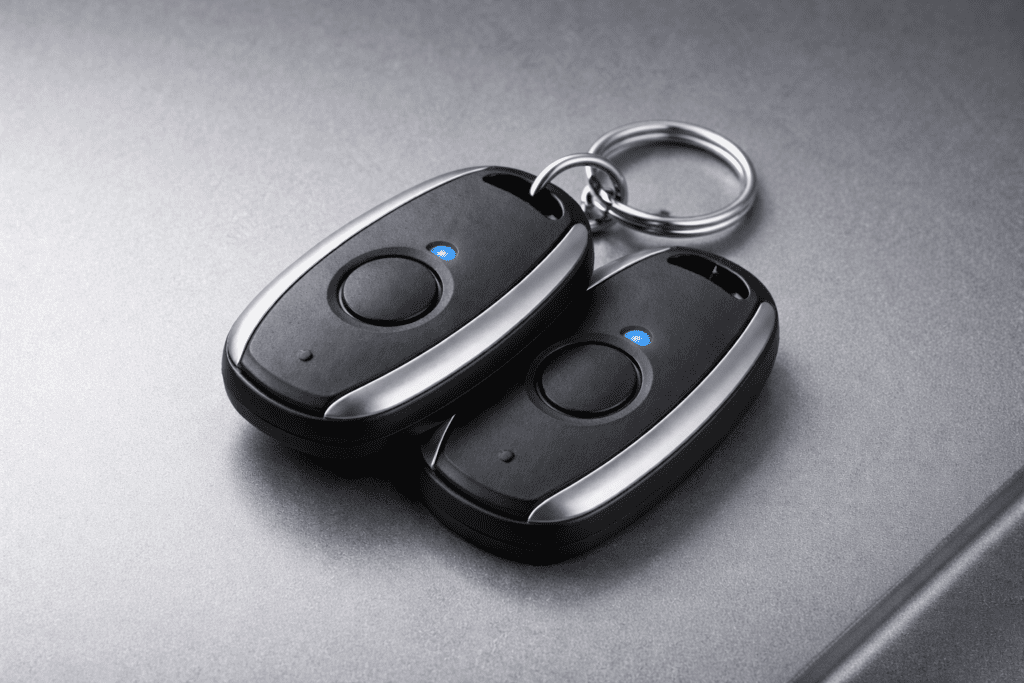
A car immobilizer is a system that prevents your engine from starting unless the correct authorization is present—typically a coded key or key fob.
It’s an electronic gatekeeper that says “not so fast” to anyone trying to hotwire or start your vehicle without permission.
Factory Immobilizer vs. Aftermarket Immobilizer
Many modern vehicles come with factory immobilizers already integrated into their electronics. If your car was built in the last decade, there’s a good chance it already has one.
An aftermarket immobilizer is an additional system preferably installed by a professional, adding extra protection—particularly valuable for older vehicles or if you live in higher-risk areas.
How Immobilizers Help Prevent Theft
Before your engine can start, your vehicle’s computer checks for valid authorization. Your key or fob needs to send the correct electronic code. If the code doesn’t match, the engine simply won’t start—no matter how someone tries to bypass the ignition.
This matters because it removes many “easy start” opportunities thieves look for. A would-be thief can break a window and get inside, but if they can’t start the engine, they’re likely to move on.
What Immobilizers Don’t Do
Let’s be realistic. An immobilizer won’t stop window break-ins or prevent physical towing. While effective against common theft methods, they’re not foolproof against every scenario.
Immobilizers work best as part of layered security—combined with smart habits like parking in well-lit areas and removing valuables from sight.
Benefits of Car Immobilizers
Why do people install aftermarket immobilizers? Here are the main benefits that make them worth considering:
Reduces drive-away theft. An immobilizer makes it significantly harder for someone to start and drive off with your vehicle, which is the most common type of car theft. Research shows that where immobilizers became widespread, vehicle theft rates dropped measurably.
Low-effort protection. Once installed, you don’t need to think about it daily. There’s no routine to remember, no device to activate. It works automatically in the background.
Pros and Cons
Pros
- Strong prevention against drive-away scenarios—the most frequent theft type.
- They’re invisible to thieves sizing up targets,
- They require low maintenance once installed.
Cons
- Upfront cost and complexity.
- Professional installation can run several hundred dollars depending on your vehicle. S
- ome aftermarket systems require extra steps to start your car.
- On rare occasions, systems can develop faults that prevent starting—frustrating though uncommon.
- Remember, immobilizers address one type of theft and work best when combined with other security measures.
How Much Does a Car Immobilizer Cost in the US?
Typical Cost Ranges
Professionally installed immobilizers typically cost in the low-to-mid hundreds of dollars for most vehicles.
The exact figure depends on your specific car and system type. This includes both the device and labor to integrate it with your vehicle’s electronics.
What Changes the Price
- Vehicle complexity matters most. Cars with push-button start or advanced keyless systems require more sophisticated installation.
- Basic immobilizers cost less than systems with additional features.
- Labor rates in major cities run higher than smaller markets.
DIY vs. Professional Installation
For most people, professional installation is the stress-saving choice.
Modern vehicles have complex electronics where one wrong connection causes problems.
Professional installers provide warranty coverage and troubleshooting expertise that justifies the added cost.
Can a Car Immobilizer Lower Your Insurance?
Some insurers offer anti-theft device discounts affecting the comprehensive portion of your policy. However, availability and amounts vary significantly by insurer and state.
Potential savings range from single-digit to low double-digit percentages, but these aren’t guarantees.
Bottom line: don’t install expecting significant savings. If you get a discount, it’s a nice bonus. The real value is theft prevention and avoided hassle.
What Your Insurer Will Usually Ask
Insurers typically want to know: whether it’s factory-fitted or aftermarket, whether it’s “passive” (engages automatically), and proof of professional installation.
What to Look For in an Immobilizer
- Key features to consider: clear daily usability you’ll actually keep enabled,
- Installer warranty and documentation,
- Low battery draw with proper installation,
- A clear fail-safe process for emergencies like dead key fob batteries.
Common Mistakes to Avoid
- Don’t choose systems that are too complex for daily use—you’ll be tempted to disable them.
- Ask about key fob battery scenarios before you’re stuck in a parking lot.
- Don’t expect one tool to solve everything. Layered security—combining an immobilizer with smart habits—beats expecting perfection from a single device.
Bottom Line: Practical Protection That Rewards Calm Planning
Car immobilizers effectively reduce drive-away theft with minimal daily effort. Professional installation typically runs low-to-mid hundreds of dollars. Trade-offs are manageable—potential convenience steps and upfront cost versus theft prevention and peace of mind.
The key mindset: layered security is sensible. An immobilizer is one strong piece of a broader approach including smart parking, removing valuables from sight, and situational awareness.
On a personal note: having seen the stress and hassles my neighbor faced making a claim in his insurance, reporting the theft and waiting weeks for a settlement, I went out and got an immobilizer straight away.